

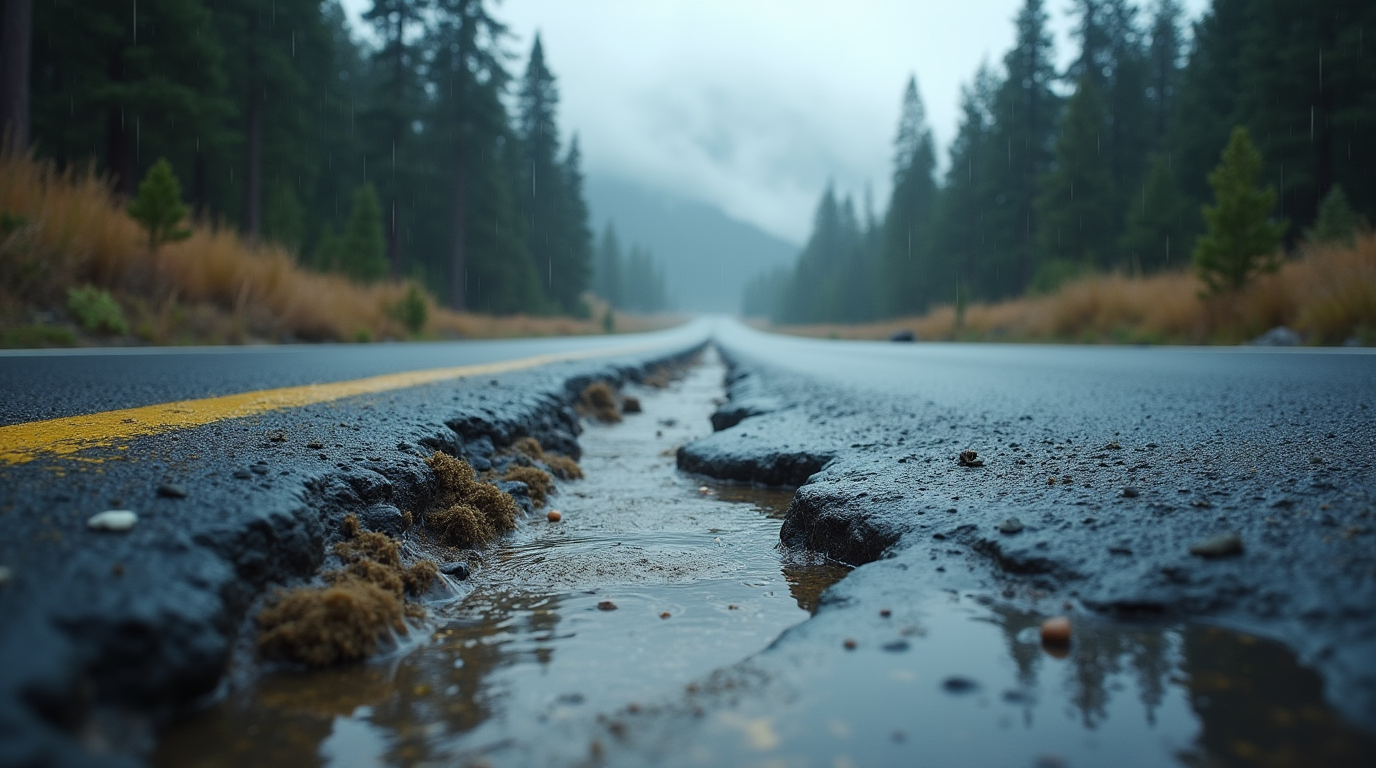

Fixing roads around Lake Tahoe does more than improve driving. It helps protect the lake. Road projects reduce dirty runoff, limit erosion, and use better building methods. This helps keep Tahoe’s water clean.
How do roads affect Lake Tahoe’s water?
Dirty water from streets
Rain and melting snow wash over old roads. This water collects oil, rubber, trash, and sand from cars. It drains into pipes and flows into the lake. Over time, this pollution adds up. A report from the Tahoe Regional Planning Agency says road runoff is a major cause of cloudy water.
Washed-away soil
Cracked roads and poor design let water carry soil into streams. This fine dirt travels far and clouds the lake. It doesn’t sink right away like large debris. Studies from UC Davis link these fine particles to the lake’s drop in clarity.

What fixes help stop road pollution?
Better pavement and drains
Modern roads near Tahoe are built to handle water better. Smooth pavement, curbs, and drains move water to treatment spots. Some roads use materials that soak up water instead of letting it run off.
A good example is Highway 50. Caltrans added new drains and pavement. Within a few years, nearby creeks showed 25% less pollution. That shows how road changes help the lake.
Using plants and soil to clean water
Builders often add small green zones along roads. These spots include grass, rocks, or trees. They slow down water and catch dirt before it reaches the lake. The Lake Tahoe Environmental Improvement Program has done many of these nature-based projects.
Do these road projects help people, too?
Safer driving
New roads also help drivers. Fewer potholes mean fewer car repairs. Snow is easier to clear. Smooth roads make travel safer, especially in winter.
Lower long-term costs
Eco-friendly roads cost more at first but save money later. They last longer and reduce the need for repairs. They also cut the cost of cleaning dirty streams. For example, cleaning one stream can cost $1 million a year. Building a cleaner road nearby can cost $2 million—but it lasts many years and prevents the pollution.

Who handles these road projects?
Local and state groups
Agencies like TRPA, Caltrans, and the U.S. Forest Service lead many road upgrades. They plan, fund, and manage the work.
Builders and crews
Local construction teams carry out the work. Some focus on eco-friendly methods. They know how to meet local rules and protect Tahoe’s water.
Why better roads matter for Tahoe
Good roads help more than cars. They help the lake stay blue. Curbs, drains, and green zones stop trash and dirt from entering the water.
If we want to protect Lake Tahoe, we must also fix and build smarter roads. Each road project is a step toward cleaner water and a healthier lake.